Occasions
What to Wear to a Masquerade Ball
Anonymity is the accessory. Everything else is velvet.
A masquerade is the one formal night where the rules invert: the face is hidden, so everything else has to speak. That makes it easier to dress for than a wedding, not harder — you are choosing a silhouette and a texture, and letting the mask carry the character.
The look
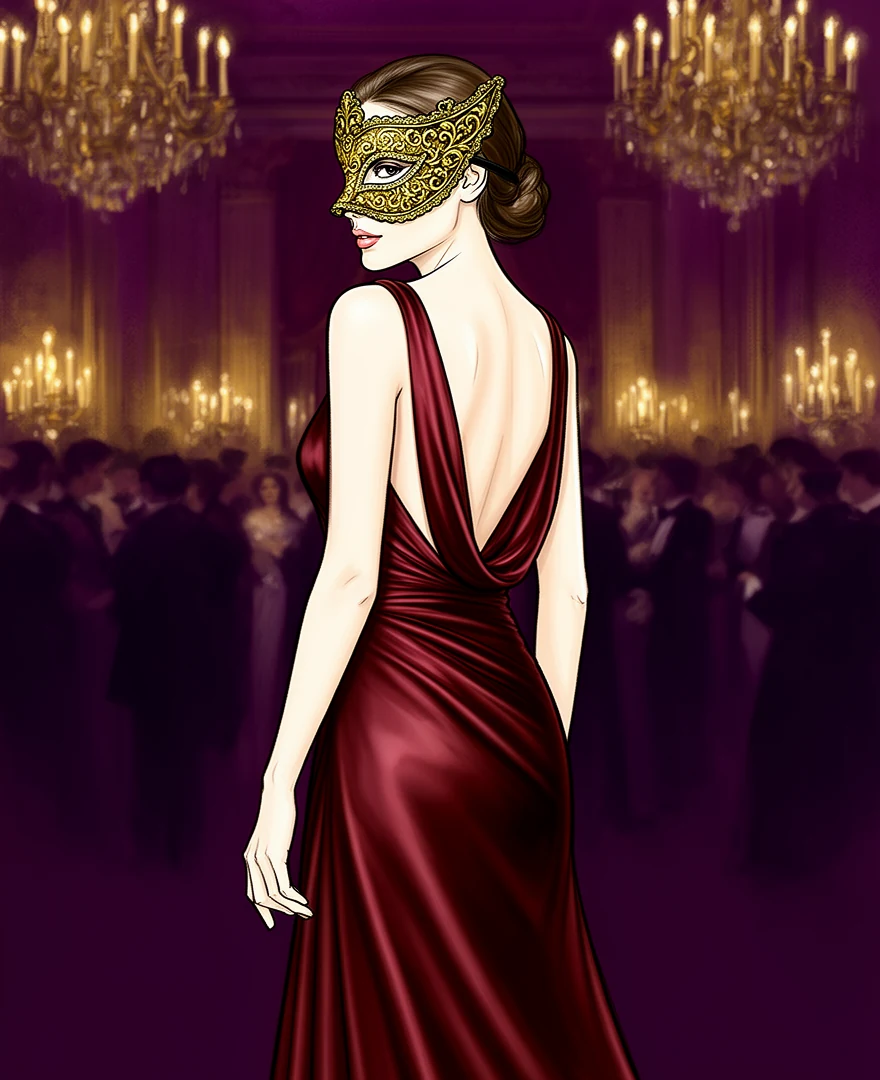
The look, rendered by Liminella. It shows the register of the night, not the merchandise — every piece is listed separately.
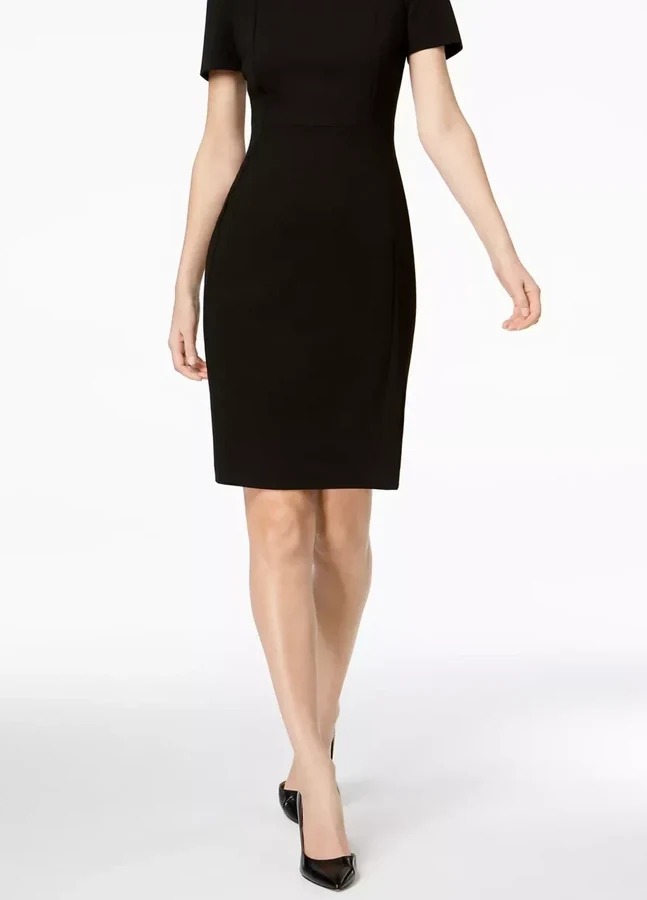 WardrobeCalvin Klein Short-sleeved seamed sheath dress, blackSeamed to shape and severe about it, which is what a mask needs under it — the dress should not be competing for the light. Black rather than a colour, so the only thing anybody reads is the mask.Buy on Amazon
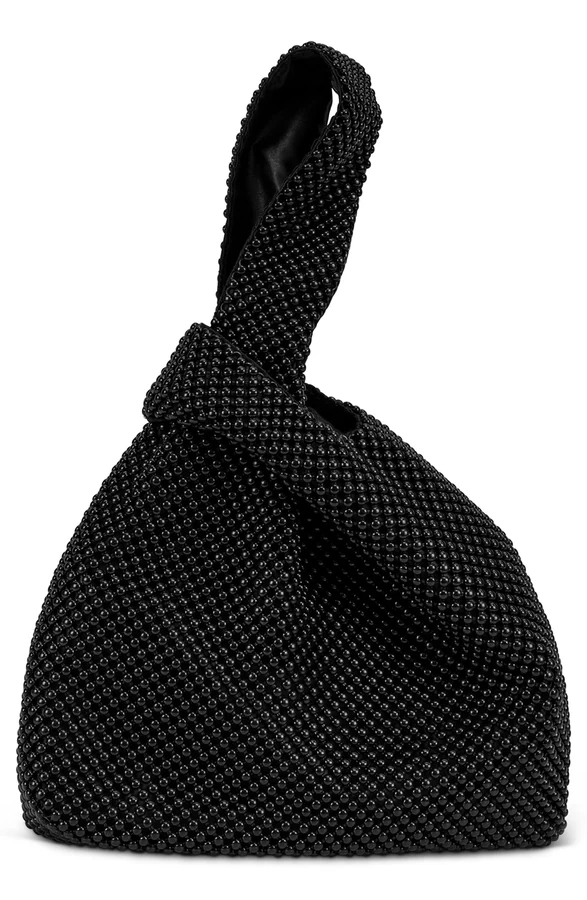 BagsJessica McClintock Logan beaded mesh pouch, blackBall-chain beading over the whole body, so it reads as texture in low light rather than as a flat black shape. The handle knots through itself instead of clasping, which is why it hangs off a wrist without being held.Buy on Amazon
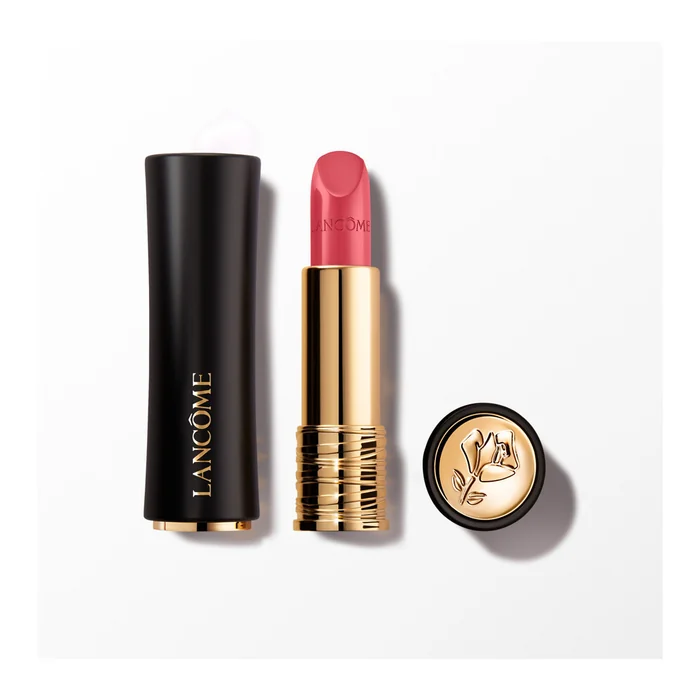 BeautyLancôme L'Absolu Rouge lipstickThe only part of your face a half-mask leaves showing, so it carries the look. Shown here in the line's default shade — pick a deep one, berry or oxblood, not a nude.Buy on Amazon
- UbautaAccessoriesUbauta Metal Venetian half-mask, gold — filigree rather than moulded plasticMetal rather than moulded plastic — it catches light instead of flashing it back. The butterfly is laser-cut and sits over one eye, which is what keeps a half-mask from reading as a party favour: the asymmetry is the design.Choosing the piece
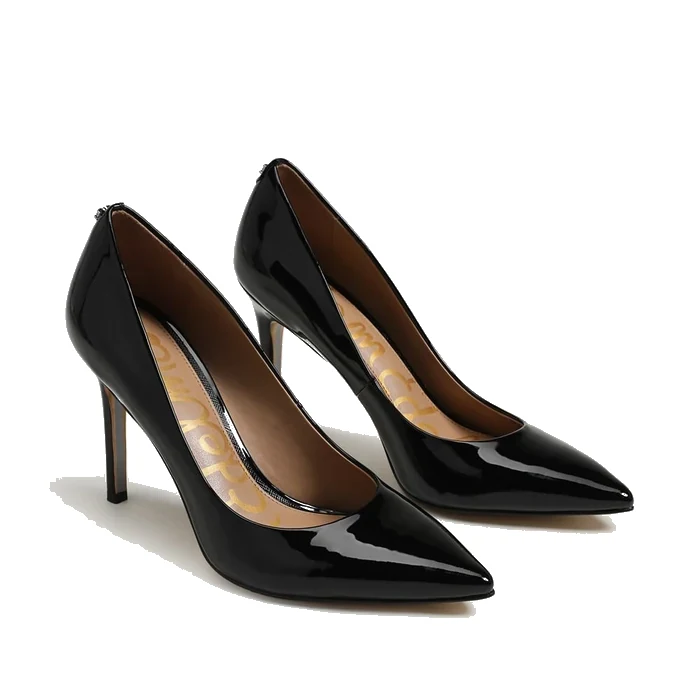 ShoesSam Edelman Hazel pointed-toe pump, black patentA ball is a floor-length column and a long night of standing. Pointed and plain keeps the line unbroken under the hem, and patent is the finish that reads as evening under low light rather than as office leather.Buy on Amazon
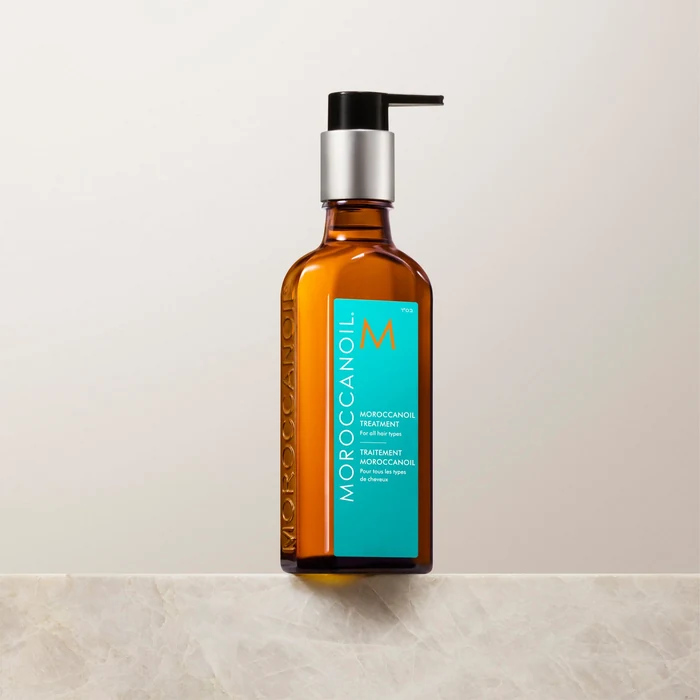 HairMoroccanoil Treatment hair oilA mask's ribbon sits on the hair for hours and leaves it flat where it crossed. Oil through damp ends before drying is what gives the length enough weight to fall back afterwards.Buy on Amazon
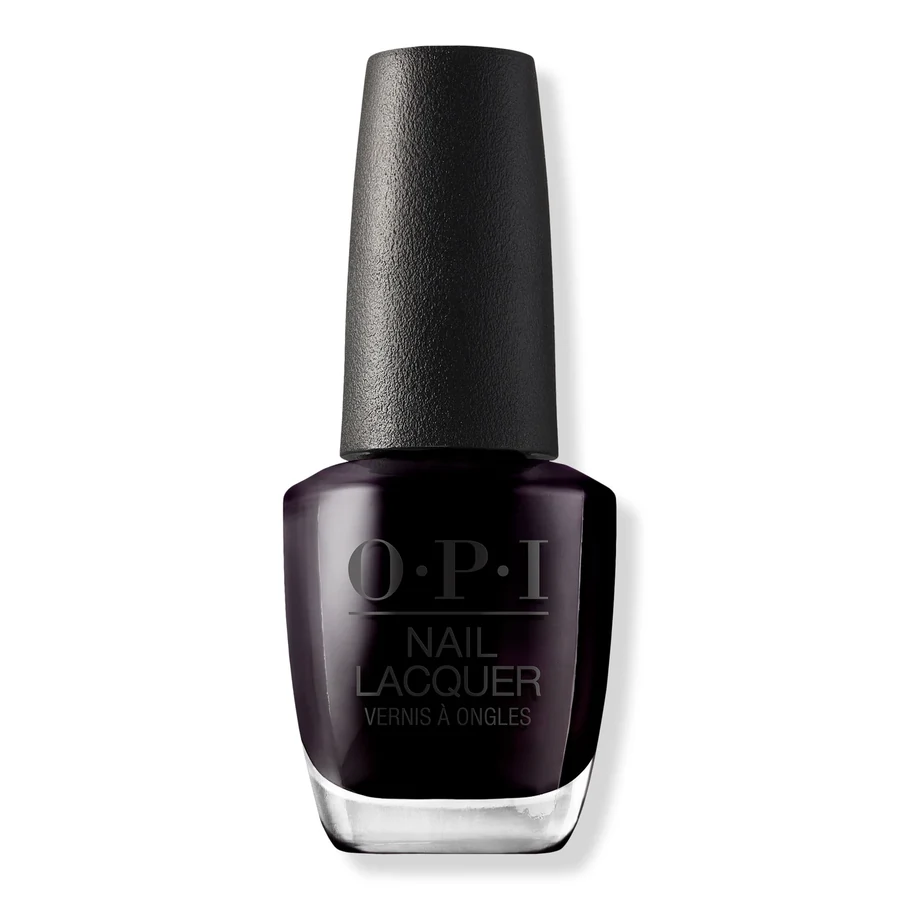 NailsOPI Nail Lacquer shade rangeHands are what a half-mask leaves visible besides the mouth, so they are part of the face here. Pick a deep shade — oxblood, near-black, a true red — not a pale one; the range opens where this link lands.Buy on Amazon
Prices live on Amazon, where they change hourly — we link rather than quote so you never read a number that has already moved. Where a row says “Choosing the piece”, we have not yet found a version from a brand we would put our name to.
Or change a piece
Every alternative here already agrees with the occasion. Change one and the rest answer — where two pieces cannot be worn together, the page says which and why rather than quietly hiding it.
Bags
Beauty
Shoes
Hair
Nails
The dress code, decoded
Most masquerade invitations say formal or black-tie, and mean it. Floor length is safe; a midi in a heavy fabric is equally correct and easier to dance in. What matters more than length is weight — velvet, satin, taffeta and heavy crepe all hold their shape under low light, while chiffon and jersey read as daywear no matter how long they are.
Colour should be deep and saturated. These rooms are lit by candle and warm low light, which flattens pastels to grey and swallows black entirely. Oxblood, forest, ink and plum all keep their depth. If you want black, break it with something reflective — beading, satin, a metal mask — so the silhouette does not disappear.
Choosing a mask that photographs
This is where most masquerade outfits fail, and it is a materials problem rather than a taste one. Moulded plastic masks have a uniform surface that flares under a camera flash and goes flat under candlelight. Metal filigree, papier-mâché and hand-painted leather all have relief, so they catch light in some places and hold shadow in others — which is the entire point of wearing one.
Practically: check how it attaches before you buy. Elastic digs in and pulls hair after an hour. Ribbon ties are more comfortable and more adjustable but need a second pair of hands. A stick mask solves both and gives you something to do with your hands, at the cost of one hand being permanently occupied.
What not to wear
A full costume. A masquerade is a formal party with masks, not a fancy-dress party — the distinction is the whole event. The second failure is a mask that covers the mouth: you will spend the night being asked to repeat yourself, and you cannot eat or drink in it. Half-masks exist for a reason.
Questions
- Is a masquerade ball black tie?
- Usually black-tie or formal, but the invitation is the authority and masquerade invitations are unusually specific. If it says nothing, dress to black-tie and let the mask do the theatre — being the most formal person in a masked room reads as commitment, not as a mistake.
- Do you wear the mask all night?
- No. The convention is that masks come off at some point in the evening, historically at midnight. Choose one you can take off and hold, or one on a stick, and make sure your bag is big enough for it.
- What colour should you wear?
- Deep and saturated. Oxblood, forest, ink, plum. Masquerade rooms are lit by candle and low warm light, and pastels go grey in it while black loses all its detail.